
-
Opening hours: 8AM - 6PM

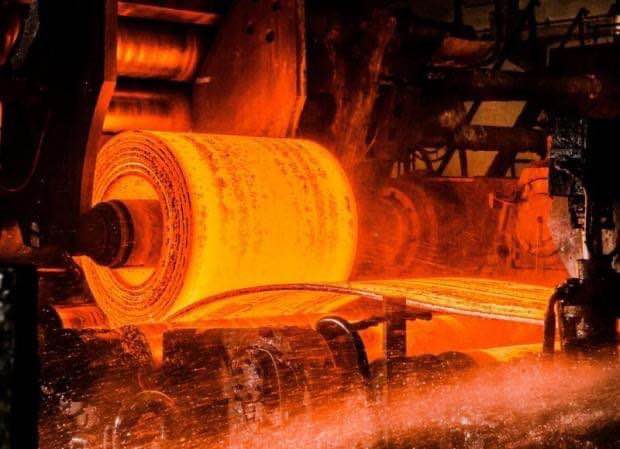
Carbon Steel Core Application Areas
Carbon steel, with its high strength, high cost-effectiveness, and ease of welding processing, is the basic material in overseas infrastructure, mechanical manufacturing, automotive industry, and other fields. Combining the advantages of our carbon steel products (such as Q235B, Q355B low-alloy carbon steel, A36 American standard carbon steel, etc.), the following details the application value from four core scenarios and simultaneously provides regional adaptation strategies.
- Global Infrastructure: Carbon Steel Supports Large-scale Project Implementation
Infrastructure is the core application scenario for carbon steel. Our Q235B/Q355B carbon steel profiles (I-beams, H-beams, angle bars, channel bars) and A36 carbon steel plates are widely applicable to overseas projects such as roads, railways, bridges, and venues:
Transport infrastructure: Used for railway tracks and road bridges in Southeast Asia and the Middle East. Q355B low-alloy carbon steel profiles have a yield strength of ≥ 355 MPa and tensile strength of 510-660 MPa, capable of withstanding the weight of the bridge and vehicle loads. For example, the track crossbeam of the Bangkok metro extension in Thailand and the steel truss structure of the Jeddah cross-sea bridge in Saudi Arabia, after hot-dip galvanizing (with a coating thickness of ≥ 85 μm), can withstand tropical high temperatures and coastal salt fog, with a service life of over 30 years.
Venues and buildings: Applicable to the load-bearing frames of large public buildings in Africa and South America. Q235B carbon steel plates (thickness 6-50 mm) are easy to cut and weld, and can be processed into complex steel structures, applied to the roof truss of the National Stadium in Abuja, Nigeria, and the column support of the commercial center in Rio de Janeiro, Brazil. Combined with anti-corrosion paint treatment, it balances economic efficiency and structural stability, reducing the cost by over 40% compared to the same specification stainless steel.
Municipal engineering: Used for wastewater treatment plants and water supply pipe supports in inland Europe. A36 American standard carbon steel angle bars (side length 20-100 mm) comply with ASTM standards, applicable to the sedimentation tank steel frame of the Munich wastewater treatment plant in Germany and the fixed support of the water supply pipeline in Lyon, France. It can directly align with local construction standards, reducing adaptation costs.
- Mechanical Manufacturing: Carbon Steel Ensures Equipment Rigidity and Durability
Mechanical manufacturing requires high strength and processing accuracy of materials. Our 45# high-quality carbon structural steel (round steel, square steel) and Q355B carbon steel forgings are the core raw materials for overseas machine tools, construction machinery, and general machinery:
Machine tools and heavy equipment: Used for machine tools and heavy machinery gears in North America and Europe. 45# carbon steel round steel (diameter 20-300 mm) after quenching and tempering (hardness 220-250 HB) has both high strength and toughness, applied to the spindle of the Chicago machine factory’s machine tool, and the gear shaft of the heavy crane in Munich, Germany, capable of withstanding high-frequency loads, reducing equipment failure risks.
Construction machinery: Applicable to the structural components of excavators and loaders in Southeast Asia and Australia. Q355B carbon steel forgings (weight 5-500 kg) have high tensile strength, can be processed into excavator bucket teeth and loader frame connections, applied to excavators in the infrastructure project in Jakarta, Indonesia, and loaders in the mining project in Perth, Australia, after sandblasting rust removal + wear-resistant coating treatment, can adapt to the harsh conditions of mines and construction sites, extending component replacement cycle to over 1.5 years.
General machinery: Used for water pumps and compressor housings and bases in the Middle East and India. Q235B carbon steel plates (thickness 3-12 mm) are easy to stamp, applicable to the pump body shell of the water pump factory in Riyadh, Saudi Arabia, and the equipment base of the compressor factory in Mumbai, India, costs only 1/3 of stainless steel, meeting the economic requirements of general machinery.
- Automotive Industry: Carbon Steel Facilitates Automotive Lightweighting and Cost Control The automotive industry has strict requirements for the strength and formability of carbon steel. Our SPHC cold-rolled carbon steel coils and Q355B hot-rolled carbon steel strips are widely used in the structural components and parts of overseas commercial vehicles and passenger cars:
Commercial vehicle manufacturing: Used for truck frames and compartments in South America and Africa. Q355B hot-rolled carbon steel strips (thickness 2-8mm) have high strength and are easy to weld, which can be processed into the longitudinal beams of the truck frame at the São Paulo truck factory in Brazil and the compartment floor of the truck in Johannesburg, South Africa. After acid pickling and phosphating treatment, they can be adapted to the automotive electrocoating process, improving the rust resistance and meeting the 10-year/500,000-kilometer usage requirements of commercial vehicles.
Passenger car components: Suitable for the chassis and body reinforcement parts of European and North American passenger cars. SPHC cold-rolled carbon steel coils (thickness 0.8-3mm) have high surface finish (Ra ≤ 1.6μm), which can be stamped into the cross beams of the chassis at the Munich automotive factory in Germany and the door reinforcement ribs of the passenger cars in Detroit, USA. Combined with laser welding technology, it can ensure strength while reducing material usage, helping to achieve lightweighting of automobiles (the carbon steel usage per vehicle can be reduced by 8%-12%).
Special vehicle fields: Used for tank trucks and cold storage vehicle tanks in the Middle East and Southeast Asia. Q355B carbon steel profiles (channel steel, I-beam) can be welded into the tank body fixing brackets of oil tank trucks and the chassis framework of cold storage vehicles, applied in the oil tank truck factory in Dubai, UAE and the cold storage vehicle factory in Bangkok, Thailand. After anti-corrosion treatment, they can adapt to the high-temperature and humid environment, ensuring the safety of special vehicle transportation.
IV. Pipeline Engineering Field: Carbon steel pipelines meet the fluid transportation requirements
Pipeline engineering has high requirements for the pressure resistance and sealing performance of carbon steel. Our API 5L B grade carbon steel seamless pipes and Q235B carbon steel welded pipes are preferred materials for overseas oil, gas, and water supply pipelines:
Energy transportation: Used for oil and gas pipelines in the Middle East and Russia. API 5L B grade carbon steel seamless pipes (diameter 50-630mm, wall thickness 5-20mm) have a pressure resistance level of 4.0MPa, meeting API international standards, and are applied in the oil pipeline of the Gavar Oilfield in Saudi Arabia and the natural gas transportation pipeline in Siberia, Russia. After 3PE anti-corrosion coating treatment (polyethylene + adhesive + epoxy powder), they can resist underground soil corrosion and have a service life of over 25 years.
Industrial water supply and drainage: Suitable for factory circulating water and wastewater pipelines in Europe and India. Q235B carbon steel welded pipes (diameter 20-300mm) have low cost and easy connection, applied in the circulating water network of the factory in the Ruhr Industrial Area in Germany and the wastewater discharge pipeline of the chemical factory in New Delhi, India, combined with cement mortar lining anti-corrosion, can reduce water scale accumulation and lower pipeline maintenance costs.
Municipal water supply: Used for municipal water supply networks in small and medium-sized cities in Africa and South America. Q235B carbon steel welded pipes (diameter 100-500mm) can be mass-produced, suitable for municipal water supply projects in Lagos, Nigeria and Bogota, Colombia, after internal and external anti-corrosion treatment, they can meet the daily 100,000-ton water supply demand, more resistant to ground settlement impact than plastic pipes.
Related Posts
One comment
Comments are closed.
Hi, this is a comment.
To get started with moderating, editing, and deleting comments, please visit the Comments screen in the dashboard.
Commenter avatars come from Gravatar.